
Focus on What Matters, and let our expert do the rest.
Have a Question? Contact Us.
Have a Question? Contact Us.
New Features New Trends
Check out what’s new at HighLevel Stream—from powerful updates to brand-new tools
that help you streamline operations and boost productivity.
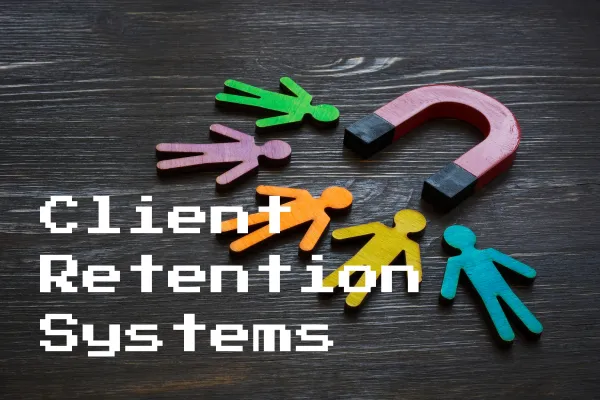
How to Improve Client Retention Using Automation and CRM Systems
Introduction
Many businesses focus heavily on acquiring new leads — but long-term growth often depends more on retaining existing clients.
Getting new customers requires:
advertising
outreach
content marketing
lead generation
Retaining clients, however, is usually more cost-effective and more sustainable.
The challenge is that retention doesn’t happen automatically.
Clients disengage when:
communication becomes inconsistent
follow-ups disappear
support feels reactive
experiences feel disconnected
This is where automation and CRM systems become powerful.
By combining structured workflows, centralized communication, and automated engagement, businesses can create a smoother client experience that improves satisfaction, strengthens relationships, and increases long-term retention.
In this guide, we’ll break down how businesses can use HighLevel Stream to build systems that help clients stay engaged long after the first conversion.
Why Client Retention Matters

Client retention impacts nearly every area of business growth.
Strong retention leads to:
higher lifetime value
stronger referrals
improved trust
more predictable revenue
lower acquisition costs
Businesses that retain clients effectively often grow faster because they maximize the value of existing relationships instead of constantly replacing lost customers.
What Causes Poor Client Retention?
Many retention problems are not caused by poor services.
They are caused by poor systems.
Common issues include:
inconsistent communication
lack of follow-up
unclear onboarding
forgotten check-ins
reactive customer management
Without structured systems, even good businesses can create inconsistent client experiences.
How CRM Systems Improve Retention
A CRM system centralizes customer information, communication, and activity in one place.
This helps businesses:
track interactions
organize customer history
monitor engagement
automate communication
personalize experiences
Instead of scattered conversations and disconnected tools, businesses gain visibility and consistency.
The Role of Automation in Client Retention
Automation supports retention by ensuring clients continue receiving communication and support throughout the relationship.
Examples include:
onboarding sequences
appointment reminders
check-in emails
renewal reminders
feedback requests
re-engagement campaigns
Automation keeps businesses consistently present without requiring constant manual effort.
The 5 Key Retention Systems Businesses Should Build
1. Automated Onboarding System
First impressions shape long-term experiences.
A strong onboarding workflow helps clients:
understand next steps
feel supported
gain confidence quickly
Examples:
welcome emails
onboarding instructions
scheduling links
resource delivery
Automation creates consistency from day one.
2. Ongoing Communication Workflow
Retention improves when businesses remain visible and engaged.
Examples:
monthly check-ins
educational updates
progress reminders
helpful resources
Consistent communication strengthens relationships.
3. Appointment & Reminder Automation
Missed meetings and forgotten follow-ups create friction.
Automation helps by sending:
reminders
confirmations
rescheduling links
This improves both efficiency and customer experience.
4. Feedback Collection System
Businesses that actively collect feedback identify issues before clients leave.
Automation can trigger:
satisfaction surveys
review requests
feedback forms
This allows businesses to improve continuously.
5. Re-Engagement Campaigns
Inactive clients do not always mean lost clients.
Re-engagement workflows help businesses reconnect through:
reminder campaigns
exclusive offers
educational content
follow-up sequences
Sometimes clients simply need a reason to re-engage.
Real-World Business Examples
Agency Example
A digital agency struggled with inconsistent client communication after onboarding.
After implementing automated check-ins and update workflows:
communication improved
client satisfaction increased
retention rates improved
Consultant Example
A consultant noticed clients becoming inactive after initial sessions.
By adding automated follow-ups and educational content:
engagement stayed consistent
repeat bookings increased
Local Business Example
A service business rarely contacted customers after appointments.
After implementing retention workflows:
clients returned more frequently
reviews increased
referral rates improved
Step-by-Step Guide to Building a Retention System

Step 1 — Map the Client Journey
Identify:
onboarding stages
communication gaps
disengagement points
This helps define where automation should support the experience.
Step 2 — Centralize Client Information
Use a CRM to organize:
contact details
communication history
appointment activity
engagement data
Centralization improves visibility.
Step 3 — Create Retention Workflows
Build automation for:
onboarding
reminders
check-ins
feedback requests
re-engagement
Step 4 — Personalize Communication
Retention improves when communication feels relevant.
Use:
names
segmentation
behavior-based triggers
Personalization creates stronger relationships.
Step 5 — Monitor Retention Metrics
Track:
repeat business
engagement rates
response rates
churn patterns
Optimization should be ongoing.
Best Practices for Client Retention Automation
✔ Keep communication consistent
✔ Focus on client experience
✔ Automate repetitive touchpoints
✔ Personalize when possible
✔ Stay proactive instead of reactive
Common Retention Mistakes
❌ Only communicating during sales
❌ No onboarding structure
❌ Ignoring inactive clients
❌ Inconsistent follow-ups
❌ No centralized CRM system
Expert Insight
The businesses that retain clients successfully are not always the cheapest or the biggest.
Often, they are simply the businesses that create the most consistent and organized customer experiences.
Retention is built through trust, communication, and reliability — all of which are strengthened through systems and automation.
Conclusion
Client retention is not just about keeping customers — it’s about building systems that support long-term relationships.
With CRM systems and automation inside HighLevel Stream, businesses can create structured communication, improve consistency, and deliver better customer experiences that encourage long-term engagement.
The result is stronger retention, higher customer value, and more sustainable business growth.
If you’d like help building retention workflows and CRM systems tailored to your business, send us a message and we’ll help you create a strategy that supports long-term growth.

© 2026 HighLevel Stream | All Rights Reserved
Powered by High Level