
Focus on What Matters, and let our expert do the rest.
Have a Question? Contact Us.
Have a Question? Contact Us.
New Features New Trends
Check out what’s new at HighLevel Stream—from powerful updates to brand-new tools
that help you streamline operations and boost productivity.
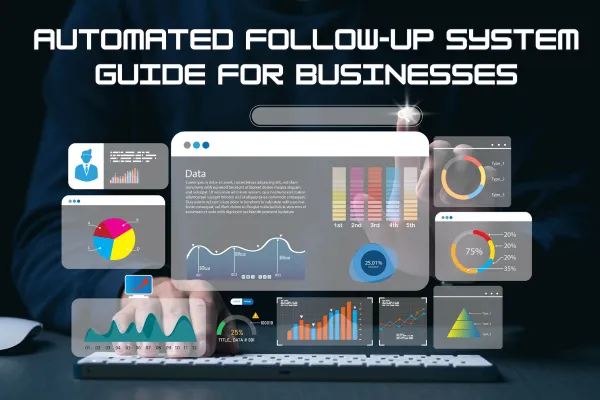
How to Build an Automated Follow-Up System That Converts More Leads
Introduction
One of the biggest reasons businesses lose leads isn’t lack of traffic — it’s lack of follow-up.
A lead submits a form.
Books an inquiry.
Requests information.
Then… nothing happens.
Or worse:
responses are delayed
follow-ups are forgotten
communication becomes inconsistent
In today’s fast-moving digital environment, speed and consistency matter. Leads expect quick responses, clear communication, and ongoing engagement.
This is why automated follow-up systems are no longer optional.
An effective follow-up system ensures that every lead receives timely communication, stays engaged throughout the customer journey, and moves closer toward conversion without requiring constant manual effort.
In this guide, we’ll break down how businesses can build an automated follow-up system using HighLevel Stream to improve lead response, increase conversions, and create more scalable operations.
Why Follow-Up Matters More Than Most Businesses Realize

Research consistently shows that many leads convert after multiple touchpoints — not after the first interaction.
However, many businesses:
stop after one message
respond too slowly
forget to follow up entirely
This creates lost opportunities.
Consistent follow-up improves:
trust
visibility
response rates
conversion rates
Businesses that maintain communication strategically are more likely to stay top-of-mind when prospects are ready to make decisions.
What Is an Automated Follow-Up System?
An automated follow-up system is a structured workflow that sends messages and actions automatically based on lead behavior or timing.
Instead of manually checking who needs follow-up, the system handles communication automatically.
Examples include:
welcome emails
SMS reminders
appointment confirmations
re-engagement campaigns
onboarding sequences
Automation ensures consistency while reducing manual workload.
The Core Components of a Follow-Up System
1. Trigger
Every automation begins with a trigger.
Examples:
form submission
appointment booking
missed call
inquiry message
The trigger tells the system when to begin follow-up communication.
2. Communication Sequence
This is the actual series of messages your lead receives.
A sequence may include:
emails
SMS
reminders
educational content
The goal is to guide leads naturally toward the next step.
3. Timing Logic
Timing plays a major role in engagement.
Examples:
instant confirmation
24-hour reminder
follow-up after 3 days
Spacing communication properly prevents overwhelming leads.
4. Conditional Logic
Conditional logic adjusts automation based on behavior.
Example:
If a lead books a call → stop reminder sequence.
This keeps communication relevant and personalized.
5. Tracking & Monitoring
A strong follow-up system measures:
open rates
response rates
conversions
drop-off points
Optimization depends on visibility.
Step-by-Step Guide to Building an Automated Follow-Up System

Step 1 — Define Your Goal
Before building automation, define the purpose of your sequence.
Examples:
schedule a consultation
complete onboarding
encourage purchase
re-engage inactive leads
Your goal determines your workflow structure.
Step 2 — Map the Customer Journey
Identify:
what happens after inquiry
what information leads need
where leads usually lose momentum
This helps create relevant communication.
Step 3 — Write Your Follow-Up Messages
Effective follow-up messages should be:
clear
concise
helpful
action-oriented
Avoid overly sales-focused messaging.
Instead of:
“Buy now!”
Use:
“Here’s the next step if you’d like to learn more.”
Step 4 — Build the Workflow in HighLevel Stream
Inside HighLevel Stream, workflows allow you to:
create triggers
add delays
send emails
send SMS
assign tasks
update pipeline stages
This centralizes the entire process.
Step 5 — Add Timing Delays
Spacing messages strategically improves engagement.
Example sequence:
immediate confirmation
reminder after 1 day
helpful resource after 3 days
invitation after 5 days
Step 6 — Test the Entire Workflow
Always test automation before launching.
Check:
message timing
links
triggers
personalization fields
Testing prevents broken experiences.
Real-World Business Examples
Agency Example
A marketing agency manually followed up with leads through email.
Problem:
delayed responses
inconsistent communication
After implementing automation:
leads received instant replies
reminders were automated
consultations increased
Consultant Example
A consultant struggled with no-show appointments.
After adding:
email reminders
SMS reminders
confirmation workflows
attendance rates improved significantly.
Local Business Example
A local service business often forgot to follow up after inquiries.
After implementing an automated follow-up sequence:
response consistency improved
more bookings were secured
lead loss decreased
Best Practices for Follow-Up Automation
✔ Respond quickly
✔ Keep messages conversational
✔ Personalize when possible
✔ Include clear next steps
✔ Avoid overwhelming frequency
Common Follow-Up Mistakes
❌ Waiting too long to respond
❌ Sending generic messages
❌ No follow-up sequence
❌ Over-automating communication
❌ No tracking system
Expert Insight
The businesses that consistently convert leads are rarely the ones with the most complicated systems.
They are usually the businesses with:
faster response times
better consistency
structured communication
A strong automated follow-up system creates these advantages at scale.
Conclusion
An automated follow-up system is one of the most valuable growth assets a business can build.
By combining automation, timing logic, structured communication, and CRM workflows inside HighLevel Stream, businesses can improve consistency, nurture leads more effectively, and increase conversions without adding manual workload.
The result is a smoother customer journey and a more scalable operation.
If you’d like help designing a follow-up system tailored to your business process, send us a message and we’ll help you build the right workflow structure

© 2026 HighLevel Stream | All Rights Reserved
Powered by High Level