
Pipeline Management Explained: How to Track Leads and Close Deals Efficiently
If your leads feel disorganized, hard to track, or easy to forget, your pipeline might not be structured properly. Many businesses collect leads every day but struggle to move them toward conversion in a consistent way.
Pipeline management is what turns scattered leads into structured opportunities.
When set up correctly inside HighLevel Stream, pipelines help you visualize every deal, understand exactly where prospects are in the process, and move them forward strategically instead of relying on guesswork.
A well-built pipeline gives you clarity, control, and predictability in your sales operations.
What Is a Pipeline?
A pipeline is a visual representation of your sales stages.
Think of it as a roadmap showing where each lead currently stands—from first contact to final conversion.
Instead of juggling spreadsheets, notes, or memory, a pipeline shows everything in one place, allowing you to see progress at a glance.
Why Pipelines Matter
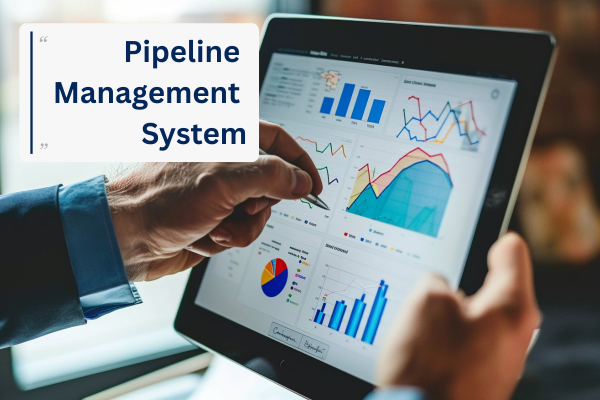
Pipelines help businesses:
Track progress across all leads
Prioritize high-intent prospects
Forecast potential revenue more accurately
Identify bottlenecks in the sales process
Improve follow-up consistency
Without a pipeline, businesses rely on memory or scattered tools—which often leads to missed opportunities, slow response times, and lost deals.
A structured pipeline creates accountability and makes growth measurable.
Pipeline Structure Example
Stage Meaning
New Lead = Just entered system
Contacted = First outreach done
Interested = Shows intent
Qualified = Ready for offer
Closed = Converted
You can customize these stages based on your business model, but the key is keeping them clear and logical.
How to Set Up a Pipeline

Step 1 — Map your sales process
Outline every step from first inquiry to closed deal.
Step 2 — Create stages
Turn each step into a pipeline stage.
Step 3 — Assign contacts
Place existing leads into the appropriate stage.
Step 4 — Add automation
Set up emails, SMS, reminders, or task creation.
Step 5 — Monitor movement
Regularly check that leads are progressing.
A pipeline should reflect reality—not an idealized version of your process.
Pipeline Optimization Tips
✔ Keep stages simple
✔ Limit to 5–7 stages
✔ Review weekly
✔ Move leads regularly
✔ Remove inactive or unresponsive leads
The goal is speed, clarity, and action.
Signs Your Pipeline Needs Fixing
Leads stuck too long in one stage
Unclear or overlapping stages
No follow-ups happening automatically
Inconsistent updates from team members
Hard to tell which deals are active
If you notice these issues, it’s time to refine your structure.
Conclusion
A pipeline is more than a visual board—it’s your decision-making system.
When used correctly, it helps you focus on the right leads, at the right time, with the right message. A strong pipeline removes chaos and replaces it with clarity, control, and predictable growth.
If you’d like help structuring a pipeline tailored to your business model, message us and we’ll show you what works best.
