How High-Performing Businesses Build Scalable Systems for Long-Term Growth
Introduction
Many businesses grow successfully in the beginning through hustle, manual effort, and constant involvement from the owner.
At first, this works.
Leads are manageable.
Communication feels simple.
Tasks can be handled manually.
But as growth continues, these same businesses often begin experiencing operational pressure:
missed follow-ups
inconsistent communication
delayed responses
overwhelmed teams
unclear processes
What once worked at a smaller scale becomes difficult to maintain consistently.
This is the stage where many businesses realize an important truth:
Growth without systems eventually creates chaos.
High-performing businesses understand that long-term growth is not built on constant manual effort alone. It’s built on scalable systems that improve consistency, efficiency, visibility, and customer experience.
In this guide, we’ll explore how successful businesses build scalable operational systems using automation, CRM workflows, lead management structures, and centralized processes — and how HighLevel Stream helps support that growth.
What Are Scalable Business Systems?

Scalable business systems are structured processes designed to support growth without increasing operational complexity at the same rate.
Instead of relying entirely on people remembering tasks manually, systems create repeatable workflows that maintain consistency as business volume increases.
Examples include:
CRM systems
lead management pipelines
automation workflows
onboarding processes
communication systems
follow-up sequences
Scalable systems create operational stability.
Why Businesses Struggle to Scale
Many businesses attempt to grow before building operational structure.
This creates common problems such as:
disorganized lead management
inconsistent customer experiences
communication delays
inefficient workflows
burnout
Without systems, growth creates more stress instead of more stability.
The Difference Between Busy Businesses and Scalable Businesses
Busy Businesses Scalable Businesses
Reactive workflows Structured systems
Manual follow-ups Automated communication
Scattered tools Centralized platforms
Inconsistent processes Repeatable workflows
Operational confusion Visibility and organization
The difference is rarely effort. It’s structure.
The 5 Core Systems High-Performing Businesses Build
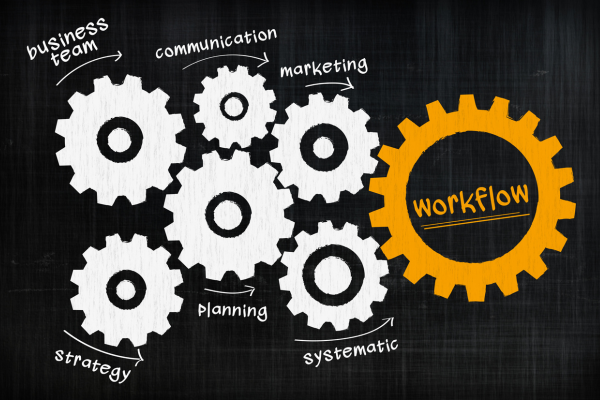
1. Centralized CRM Systems
Scalable businesses centralize information.
Instead of managing leads across:
spreadsheets
inboxes
social media
notes
they use CRM systems to organize:
contacts
conversations
appointments
pipeline stages
activity history
This improves visibility and operational clarity.
2. Automated Lead Management Systems
As lead volume increases, manual follow-ups become unreliable.
Automation ensures:
leads receive immediate responses
reminders are consistent
opportunities are tracked properly
This improves both speed and professionalism.
3. Structured Pipeline Systems
Pipelines help businesses visualize where leads and clients are within the sales process.
Examples:
new inquiry
contacted
qualified
proposal sent
closed
Pipelines improve accountability and reduce lead loss.
4. Client Journey Workflows
High-performing businesses don’t just focus on lead generation — they optimize the customer experience.
This includes:
onboarding systems
appointment reminders
follow-up sequences
retention workflows
Consistency builds trust.
5. Reporting & Visibility Systems
Businesses cannot improve what they cannot measure.
Scalable systems track:
response times
conversion rates
pipeline movement
customer engagement
Data helps businesses optimize operations strategically.
Real-World Business Examples
Agency Example
A growing agency managed leads manually through spreadsheets and social media messages.
As inquiries increased:
follow-ups became inconsistent
team coordination became difficult
leads slipped through the cracks
After implementing centralized CRM systems and automation:
lead organization improved
communication became consistent
workflows became scalable
Result: the agency handled more clients with less operational stress.
Consultant Example
A consultant relied heavily on manual scheduling and follow-ups.
As bookings increased, administrative work consumed too much time.
After implementing:
automated scheduling
reminders
onboarding workflows
the consultant reduced repetitive admin tasks significantly while improving client experience.
Local Business Example
A service business struggled with missed inquiries and inconsistent customer communication.
After implementing automated lead response systems:
response time improved
appointment scheduling became smoother
retention increased
The Scalable Growth Framework
High-performing businesses often follow this progression:
Stage 1 — Manual Operations
Stage 2 — Process Standardization
Stage 3 — Workflow Automation
Stage 4 — Centralized Systems
Stage 5 — Optimization & Scaling
Businesses that skip structure often struggle during growth phases.
How to Build Scalable Systems Step-by-Step
Step 1 — Audit Current Processes
Identify:
repetitive tasks
bottlenecks
communication gaps
operational inefficiencies
Step 2 — Simplify Workflows
Remove unnecessary complexity before automating.
Step 3 — Centralize Systems
Use one platform to manage:
CRM
communication
pipelines
automation
lead tracking
Step 4 — Automate Repetitive Actions
Examples:
confirmations
reminders
follow-ups
onboarding
notifications
Step 5 — Measure and Optimize
Review operational performance consistently.
Scaling requires ongoing refinement.
Common Mistakes Businesses Make While Scaling
❌ Adding more tools instead of simplifying systems
❌ Hiring before improving workflows
❌ Relying entirely on manual processes
❌ No centralized visibility
❌ Ignoring customer experience during growth
Expert Insight
The businesses that scale sustainably are rarely the ones working the hardest manually.
They are usually the businesses with:
better systems
clearer workflows
stronger operational structure
more consistent customer experiences
Systems create scalability.
Conclusion
Long-term business growth requires more than effort — it requires operational structure.
Scalable systems help businesses improve consistency, reduce inefficiencies, organize lead management, and create better customer experiences as growth continues.
With HighLevel Stream, businesses can centralize CRM management, automate workflows, organize pipelines, and build scalable operational systems designed to support sustainable growth.
If you’d like help identifying which systems your business needs to scale more efficiently, send us a message and we’ll help you map out a structure that supports long-term growth.
