
First Impressions Matter: How to Create a Seamless Customer Experience From Day One
Introduction
Think about the last time you had an outstanding customer experience.
Perhaps a business responded quickly to your inquiry, made booking an appointment effortless, or kept you informed every step of the way.
Now think about a frustrating experience.
Maybe your email went unanswered. You had to repeat your information multiple times, or you weren't sure what would happen next.
The difference often isn't the product or service—it's the experience.
Today's customers expect more than quality work. They value clear communication, convenience, and consistency from the moment they first interact with your business.
Creating a great first impression doesn't require a large team or complicated processes. It requires intentional systems that make every customer feel informed, supported, and valued.
In this article, we'll explore why first impressions matter, common mistakes businesses make during the early stages of the customer journey, and practical ways to create an experience that builds trust from day one.
Why the First Customer Experience Matters
A customer's first interaction sets expectations for everything that follows.
Whether they discover your business through your website, social media, or a referral, those first few moments shape how they perceive your professionalism.
A positive first impression can:
build trust
increase confidence
encourage engagement
improve conversion rates
strengthen long-term relationships
Customers often remember how a business made them feel more than what it said.
Common Friction Points in the Customer Journey
Many businesses unintentionally create obstacles that affect the customer experience.
Examples include:
delayed responses to inquiries
unclear booking processes
inconsistent communication
requesting the same information multiple times
lack of follow-up after initial contact
These issues may seem minor individually, but together they can reduce customer confidence.
Five Ways to Create a Better Customer Experience

1. Respond Promptly
Speed matters.
Even if you can't provide a complete answer immediately, acknowledging an inquiry lets customers know they've been heard.
Automated confirmations can help maintain responsiveness outside business hours.
2. Make the Next Step Clear
Customers shouldn't have to guess what happens after contacting your business.
Whether it's scheduling a consultation, completing a form, or waiting for a proposal, provide clear expectations.
Transparency reduces uncertainty.
3. Keep Communication Consistent
Your tone, branding, and messaging should feel consistent across email, social media, phone calls, and your website.
Consistency builds familiarity and trust.
4. Personalize the Experience
Simple touches such as using the customer's name, referencing previous conversations, or tailoring recommendations can make interactions feel more genuine.
Technology can support personalization without sacrificing efficiency.
5. Follow Up Thoughtfully
The customer journey doesn't end after the first conversation.
Follow-up messages, helpful resources, appointment reminders, and check-ins demonstrate ongoing commitment and help strengthen relationships.
The Role of Automation in Customer Experience
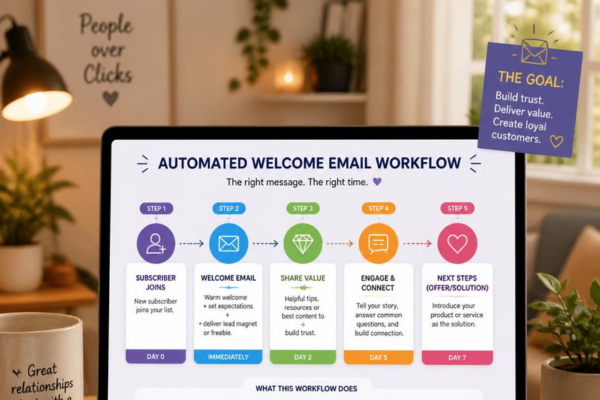
Automation isn't about replacing human interaction.
It's about ensuring customers receive timely communication while allowing your team to focus on meaningful conversations.
Examples include:
welcome emails
appointment confirmations
onboarding checklists
reminder messages
post-service follow-ups
Used thoughtfully, automation creates consistency without losing the human touch.
Real-World Example
A growing consulting business received steady inquiries but struggled to provide a consistent experience.
Some prospects received responses within minutes, while others waited until the following day.
Appointment confirmations were sent manually, and onboarding information varied depending on who handled the client.
After implementing standardized workflows and automated communication, every new client received the same professional experience.
The result was improved customer confidence, fewer missed appointments, and a smoother onboarding process.
Best Practices
✔ Respond quickly to new inquiries
✔ Set clear expectations
✔ Keep communication consistent
✔ Personalize interactions when possible
✔ Review the customer journey regularly
Common Mistakes
❌ Assuming customers know what happens next
❌ Delaying responses
❌ Overcomplicating onboarding
❌ Sending inconsistent messages
❌ Forgetting to follow up
Expert Insight
Businesses often focus on acquiring customers but underestimate the impact of the first experience after someone says, "I'm interested."
A well-designed customer journey creates confidence before the service even begins.
When communication is organized, expectations are clear, and every interaction feels intentional, customers are more likely to trust your business, remain engaged, and recommend you to others.
Conclusion
Great customer experiences don't happen by accident.
They're built through thoughtful processes, consistent communication, and systems that support both customers and teams.
By improving the first stages of the customer journey, businesses can strengthen trust, increase customer satisfaction, and create lasting relationships.
HighLevel Stream helps businesses organize customer interactions, automate routine communication, and create seamless experiences that support long-term growth.
If you're looking to create a smoother customer experience from the very first interaction, HighLevel Stream can help you build workflows that keep communication organized, consistent, and customer-focused.
